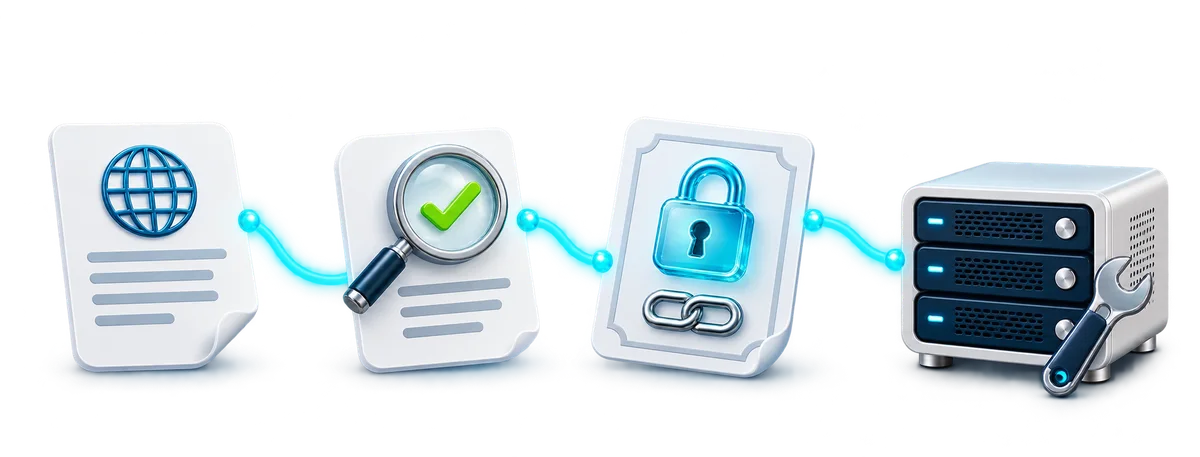
What is the difference between SSL and TLS?
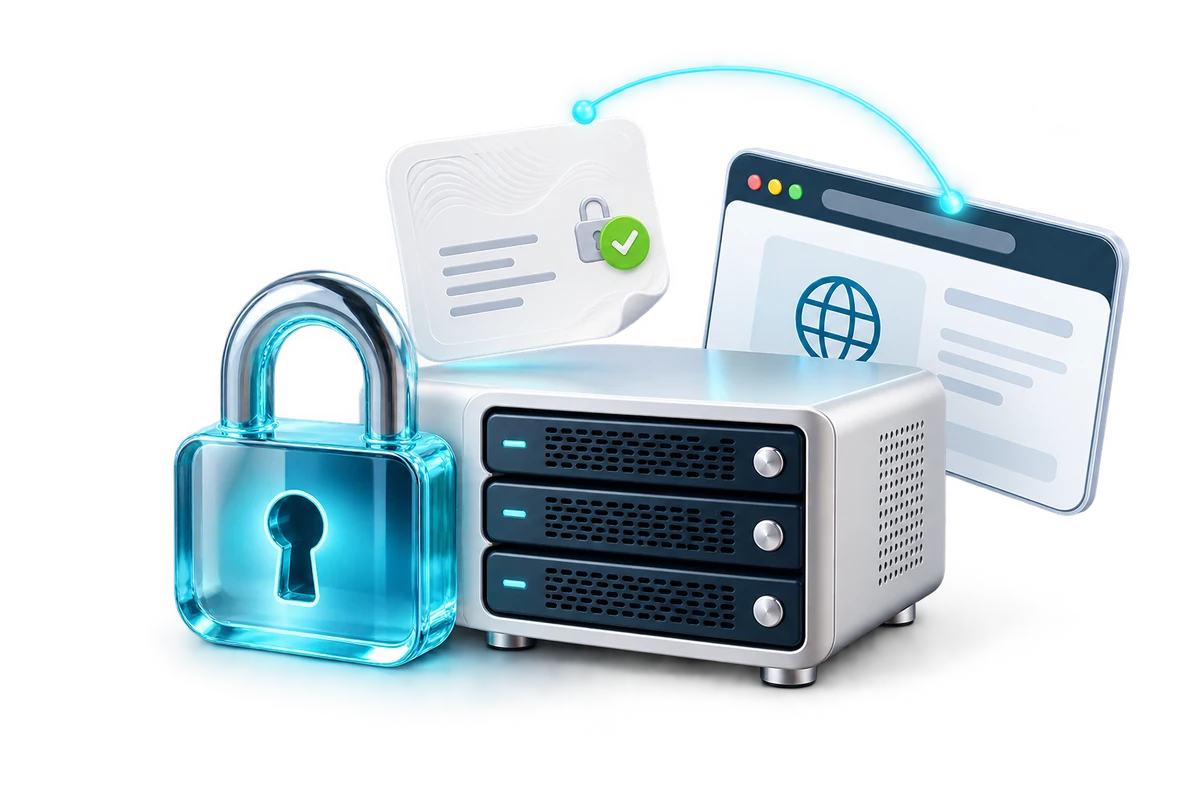
TLS is the modern protocol used to encrypt connections. SSL is its older predecessor, but the name SSL certificate is still widely used for certificates that support modern HTTPS connections using TLS.
What does an SSL certificate protect?
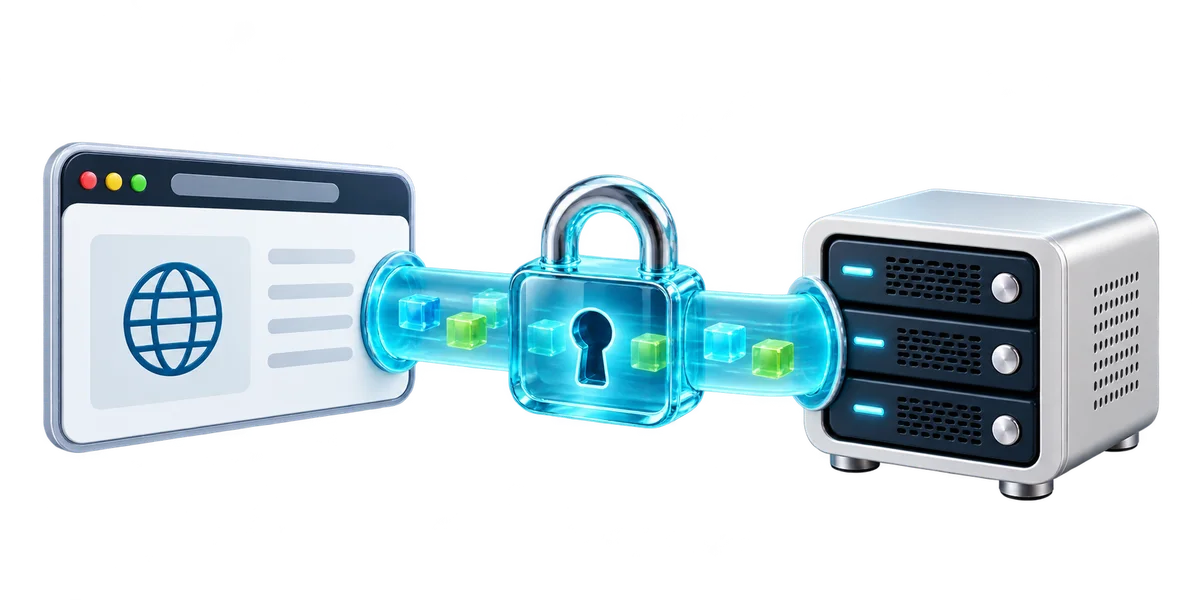
A correctly configured certificate helps encrypt information travelling between a browser and server and authenticate the destination. It does not secure every part of a website: software updates, access controls, malware protection and backups remain separate responsibilities.
How do DV, OV and EV differ?
DV checks control of a domain. OV also checks the organization’s identity. EV applies more extensive organization checks under the certificate authority’s requirements. These levels primarily change identity validation, rather than simply increasing encryption strength. DV can protect login and ecommerce traffic.
Do I need paid SSL if my hosting includes an automated DV certificate?
An included, correctly configured DV certificate may be sufficient for your website. A paid product can be useful when you need verified organization identity, a particular coverage arrangement or other specific certificate requirements. Free certificates are not inherently less secure because they are free.
Does one certificate cover www and non-www?
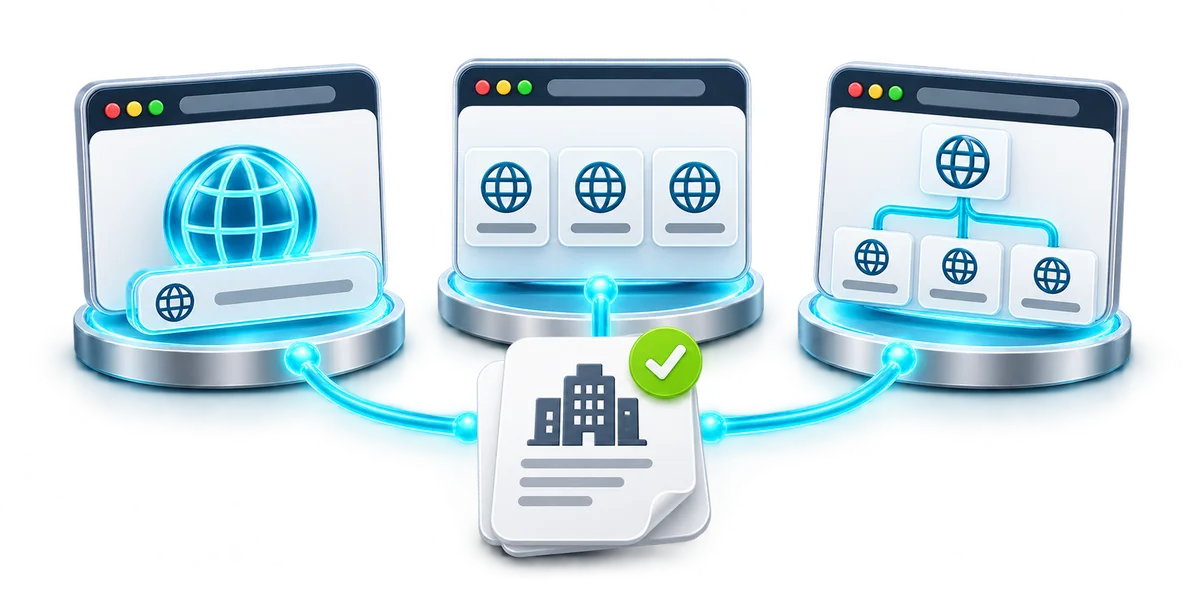
The single-domain products include an eligible www/non-www pair for the selected domain. Other subdomains are not automatically covered. On multi-domain products, aliases and subdomains can count as separate names, so confirm the requested list before ordering.
Can a wildcard cover another domain or deeper subdomains?
A wildcard for example.com covers the base domain and eligible first-level names such as shop.example.com and mail.example.com. It does not automatically cover example.org or deeper names such as app.shop.example.com. Choose coverage for every required name.
How many names are included in multi-domain SSL?
The listed multi-domain products include three domain or subdomain names. Extra SAN names need a separate quotation. Check whether each www alias and subdomain uses an included name; do not assume aliases are free additions.
What is a CSR, and who generates it?
A certificate signing request contains the public information needed to request a certificate. You or your hosting administrator normally generate it on the intended hosting platform. Keep its associated private key private; do not paste private keys or account passwords into an order or enquiry.
Do I need a dedicated IP address?
Many modern hosting platforms use Server Name Indication, or SNI, to support multiple HTTPS websites on one IP address. A dedicated IP is not a universal requirement. Your administrator should check the hosting configuration and any older clients or applications that must connect.
Is installation included?
No. You or your hosting administrator install the issued certificate and chain, configure HTTPS and check the result. Installation, server repair, mixed-content remediation and continuous certificate management are separate unless expressly agreed. You may ask SDH about assistance without assuming it is included or free.
How long does validation take?
Issuance depends on successful validation and the certificate authority’s review. DV is often faster after domain control is verified. OV and EV require additional organization checks and may take business days. SDH does not promise a fixed issuance time.
What does purchasing one to five years mean?
You prepay in full for the selected subscription period, with a one-time full-term charge. It does not produce one certificate valid for that entire period. Individual certificates follow current issuer and browser validity rules, so later reissuance and installation may be required.
Will I need reissuance during my subscription?
Yes, when required by issuer or browser rules or a relevant certificate change. SDH coordinates reissuance manually under the issuer’s rules. Installing a replacement remains your or your hosting administrator’s responsibility; a supported CA reissue does not include installation labour.
What happens at renewal?
Renewal is arranged manually; pricing will be confirmed before renewal. New validation and issuance steps may be required. The current prepaid price does not guarantee a future renewal price, and the service does not include automatic recurring billing or managed renewal.
Can I move a certificate to another server?
Moving may involve securely transferring the appropriate certificate files and private key, or generating a new CSR and requesting reissuance. Your administrator should follow issuer and platform requirements. Confirm eligibility, name changes and any separate work before proceeding.
Does HTTPS guarantee my site is malware-free?
No. HTTPS protects the connection in transit when correctly configured. A website can still contain malware, vulnerable software or harmful content. Keep website security, maintenance, access management and backup measures in place.
What do I need for OV or EV?
You need domain control and an organization whose identity can be verified under the certificate authority’s rules. The CA may request business information, contact verification or supporting documents depending on your situation. Exact requirements are confirmed during validation; do not send identity documents through an ordinary website enquiry.
Who issues the certificate?
SSL.com is the issuing certificate authority for these products. SDH is the seller and your customer contact. The CA checks the required information and issues the certificate; issuance remains subject to its requirements and decision.