Frequently asked questions
Clear answers about SSL.
Check the names, validation and deployment responsibilities before arranging a certificate.

Dot's SSL guideStart with the exact hostnames. Your billing term and each issued certificate's validity are separate, so plan for replacement and deployment.
What is the difference between SSL and TLS?
TLS is the modern protocol used for encrypted connections. SSL is the older name still commonly used for certificates that support HTTPS with TLS.
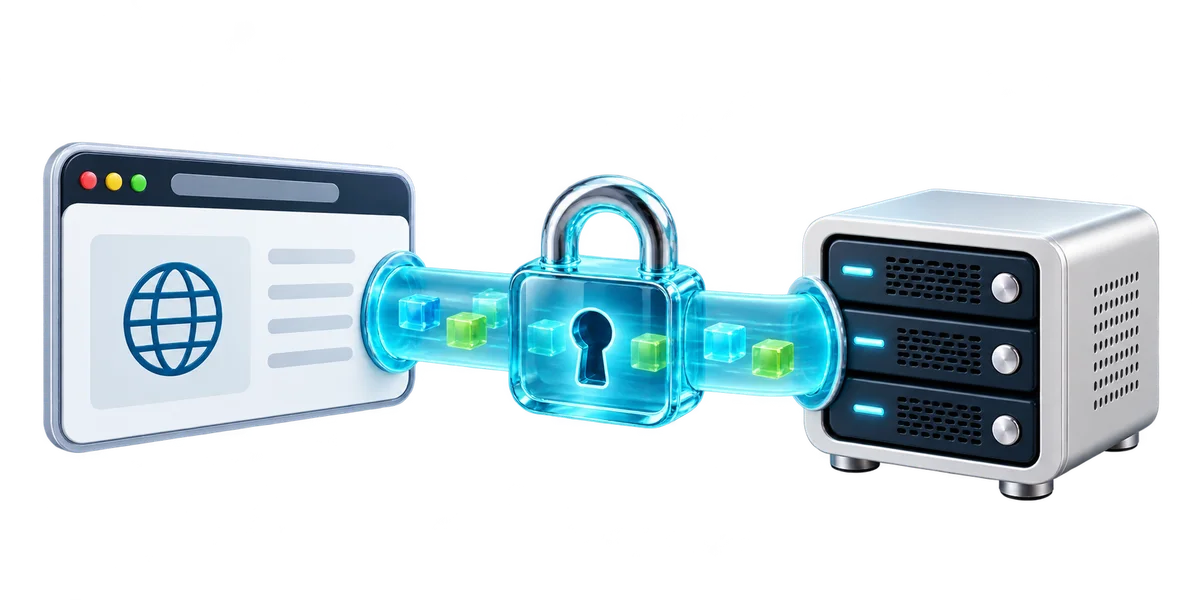
What does an SSL certificate protect?
With HTTPS correctly configured, a certificate helps authenticate the server and protect data in transit between browser and server. Website updates, access controls, malware protection and backups remain separate responsibilities.
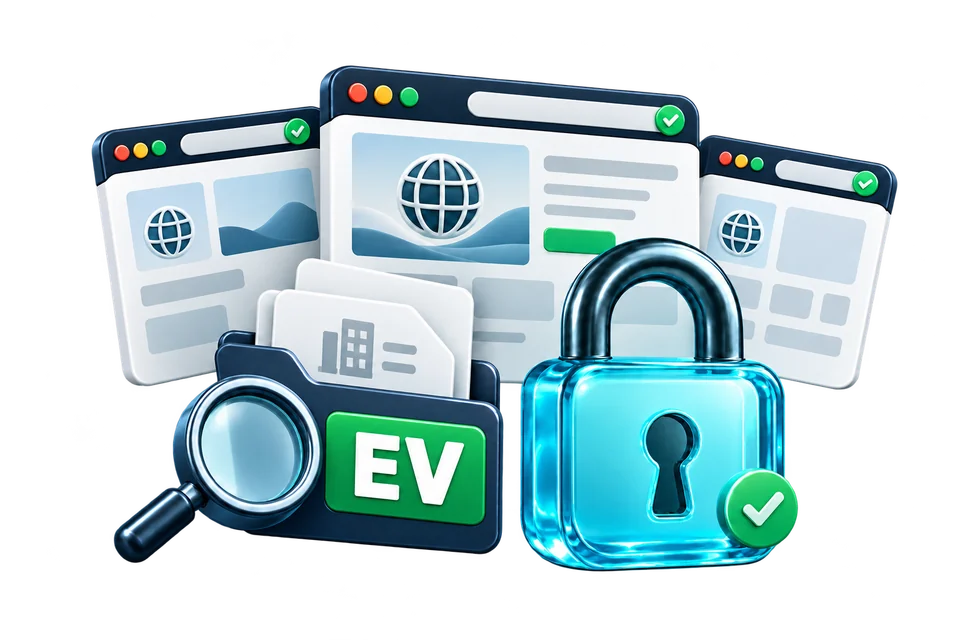
How do DV, OV and EV differ?
DV verifies domain control. OV adds organization identity checks, and EV applies more extensive organization checks. These levels concern identity validation; OV and EV do not inherently provide stronger encryption than DV.
Do I need paid SSL if my hosting already includes DV?
A correctly configured automated DV certificate may already meet your needs. Consider a separate certificate when you have a specific organization-validation, naming or administration requirement.
Will a single-domain certificate cover www too?
List both names if you use them. Alias inclusion depends on the selected certificate's naming rules and must be confirmed before purchase.
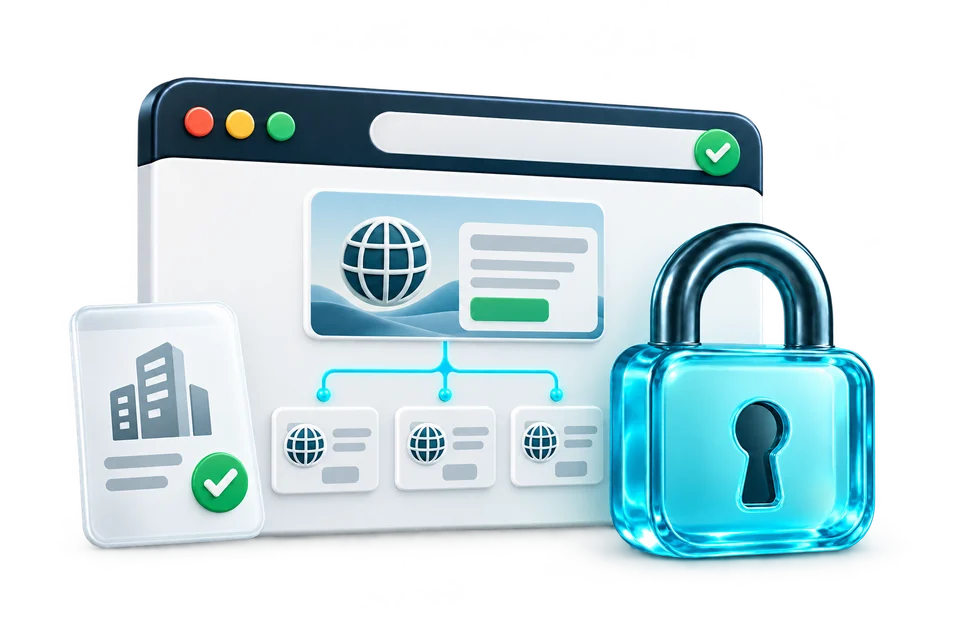
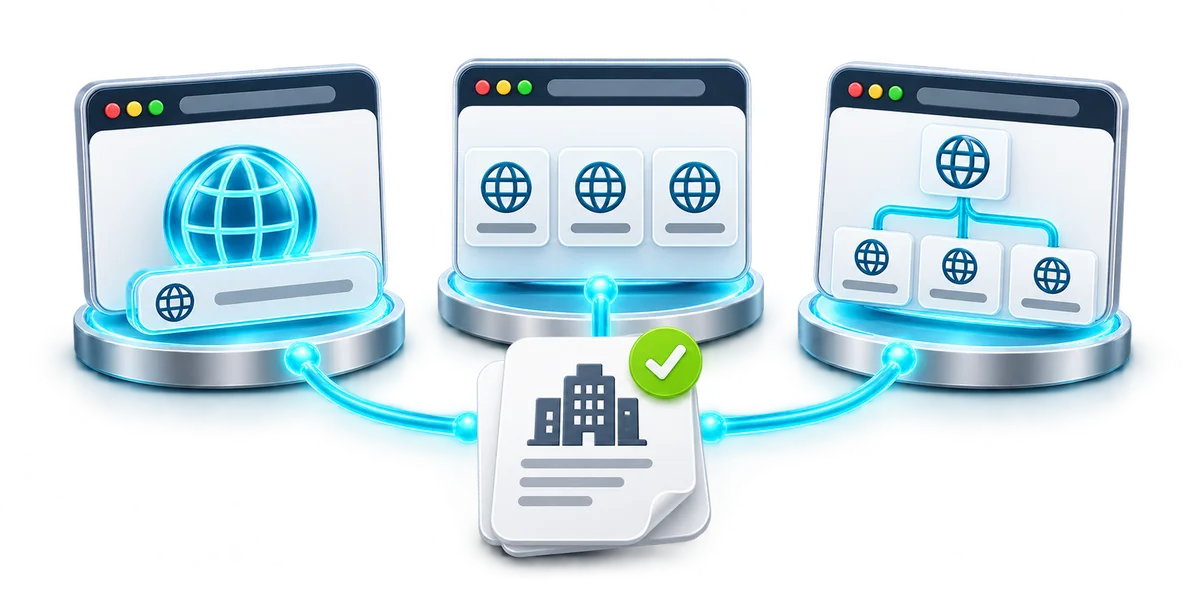
How is wildcard different from multi-domain coverage?
A wildcard matches eligible names at a particular level beneath one domain. A multi-domain certificate lists explicit names using SANs, potentially across different domains. Neither option means every name is automatically covered.
How many SANs are included?
The included-name allowance and exact SAN list are confirmed for the selected product before purchase. Additional SANs are manually quoted. Include required www aliases and subdomains in the list you send to SDH.
What is a CSR, and should I send my private key?
A certificate signing request contains public request information and is normally generated by your hosting administrator. Keep the associated private key secure. Never send a private key or password through an order or inquiry form.
What information is needed for validation?
You need access to an issuer-approved domain-control method. OV and EV also require organization information and an appropriate verification contact. SDH coordinates the requirements for your actual request.
How long will the certificate take?
Issuance depends on successful validation, complete information and the certificate authority's review. SDH coordinates requests manually and does not promise instant issuance or a fixed delivery deadline.
Is installation part of the certificate price?
Certificate deployment is separate technical work. Your administrator installs the certificate and chain and checks HTTPS. If you need SDH's help, agree the scope and quotation separately before work begins.
What does a one-to-three-year billing term mean?
Choose one, two or three years and pay that full term upfront. The same selected cycle repeats at renewal. Each issued certificate has its own validity, so validation, reissuance and replacement deployment may be needed within a billing term.
How are reissues handled?
SDH coordinates the request under the issuer's current rules. A new key, changed name list or validity requirement may need a fresh CSR and validation. A reissue does not automatically include deployment or make every change free.
What happens at renewal?
The selected billing cycle repeats: one year, two years or three years. The displayed renewal amount is the full total for that cycle. A two-year purchase renews for two years, and a three-year purchase renews for three years.
When is the renewal invoice issued?
SDH uses a 15-day renewal-invoice window, so an invoice may appear before its due date. Check the invoice and service dates shown in your client area.
Will renewal payment be collected automatically?
That depends on your existing payment arrangement. A recurring billing cycle does not guarantee automatic payment collection.
Do later catalog prices automatically change my service?
No. An existing service has its own recorded renewal amount. Later catalog price changes do not automatically update that amount.
Can I move or replace the certificate?
A move can require platform configuration, a new CSR or reissuance. Ask your administrator to review the source and destination, then confirm the permitted request and any separate assistance with SDH.
Does HTTPS mean a business or website is completely safe?
No. HTTPS protects the connection when correctly configured. A certificate does not scan a website for malware, stop every attack or guarantee that an operator is trustworthy.
Who sells and who issues the certificate?
SDH is your seller and coordinates the request. The issuing certificate authority performs the required checks and decides issuance. The issuer and applicable product requirements are identified before purchase.